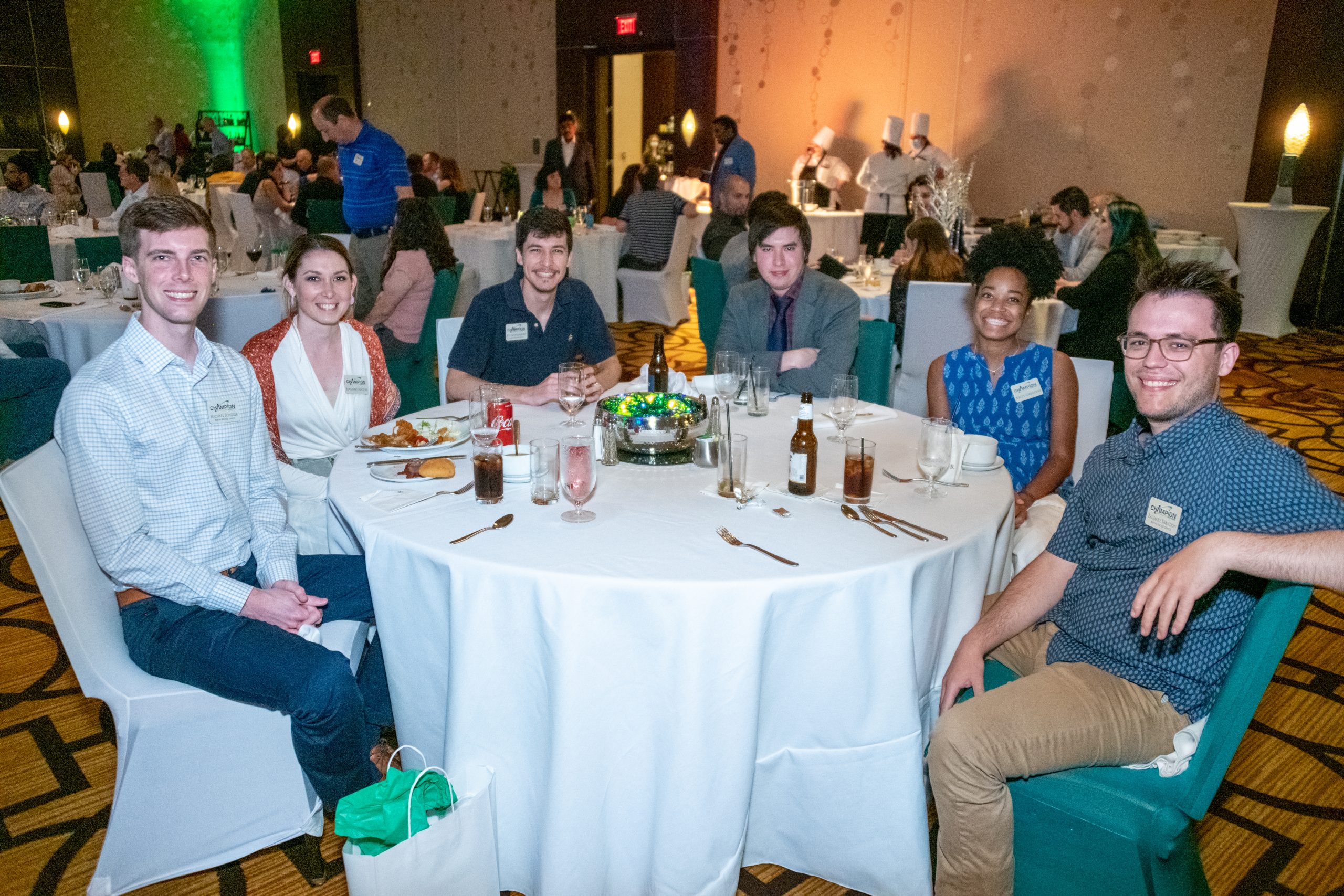
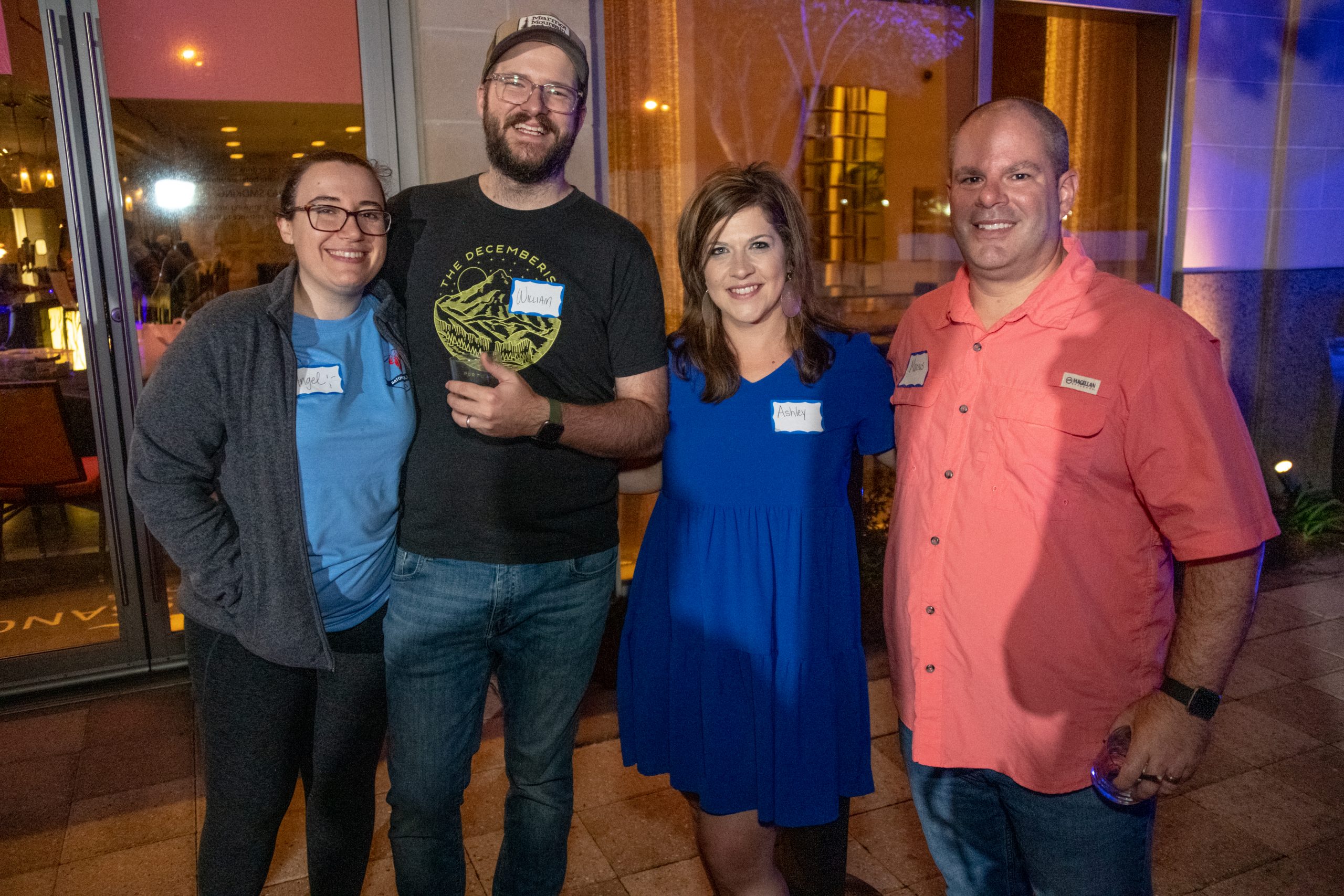
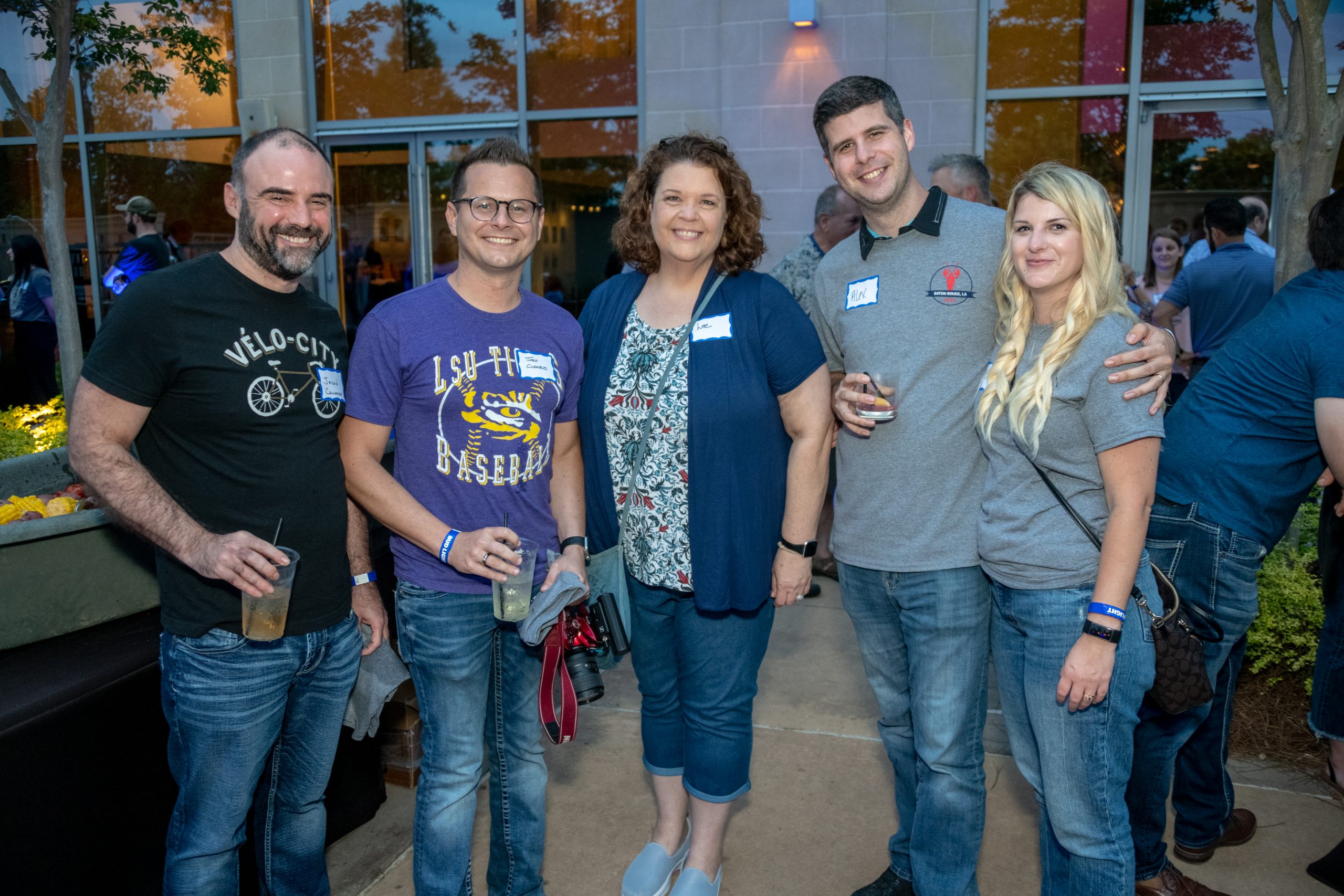
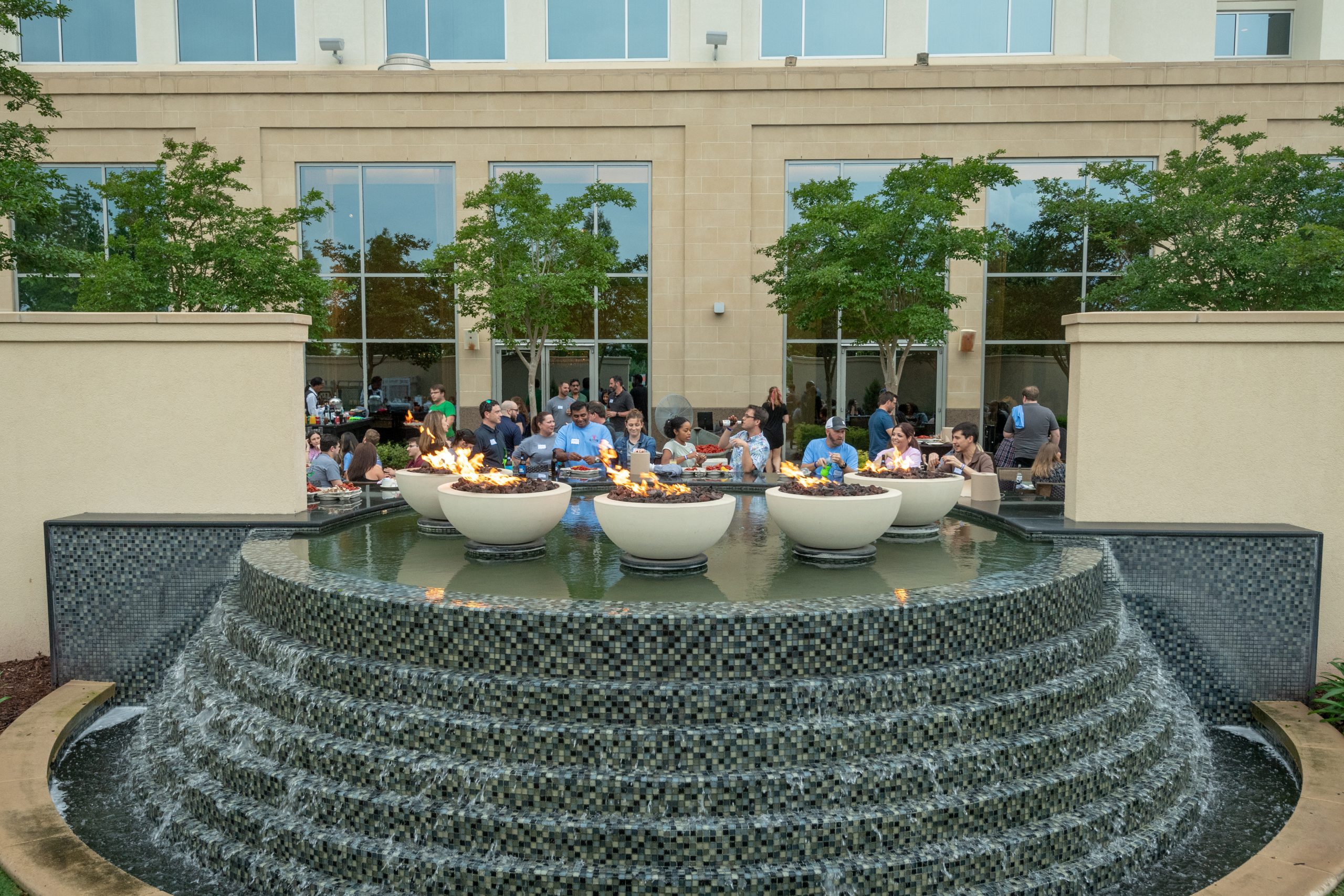
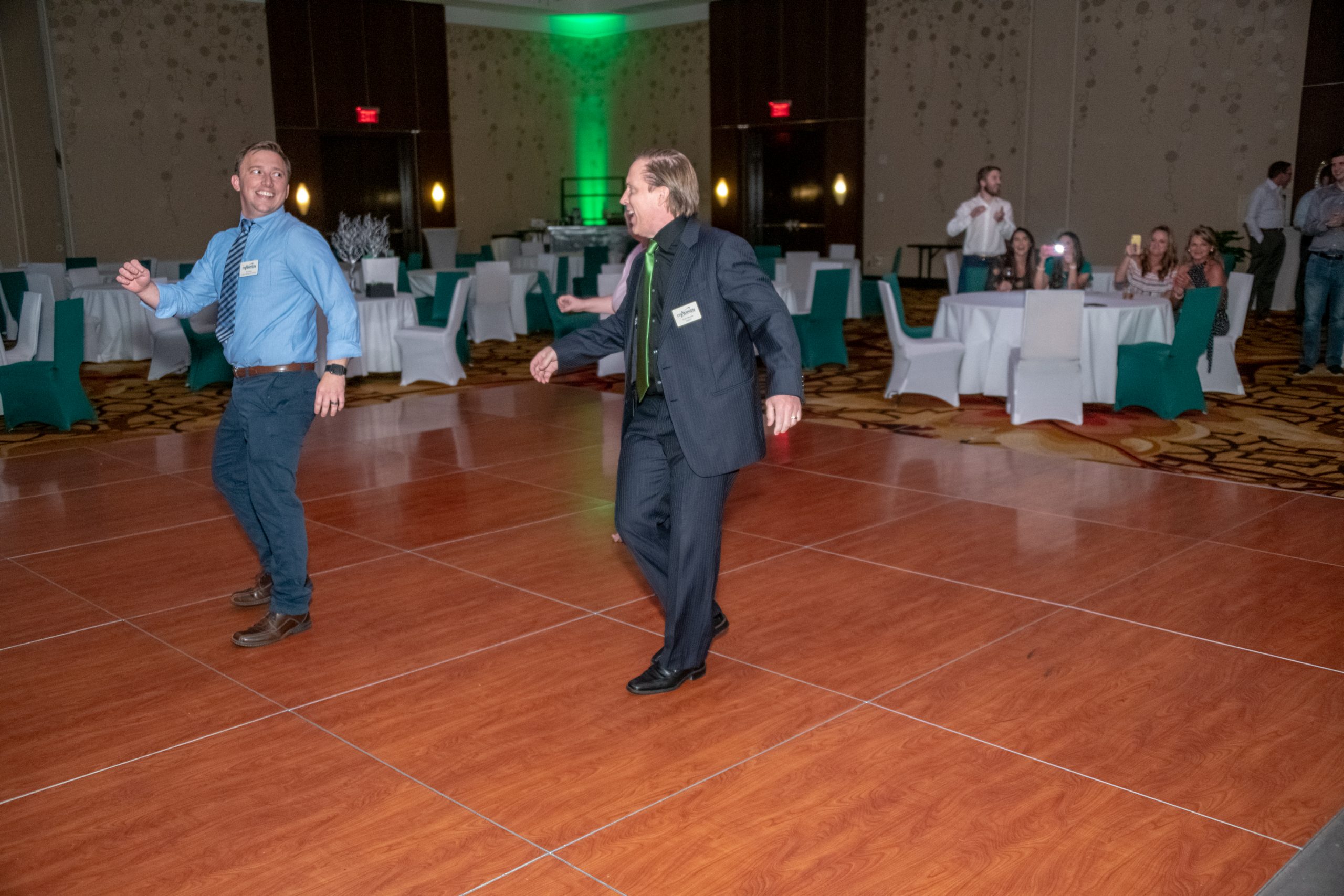
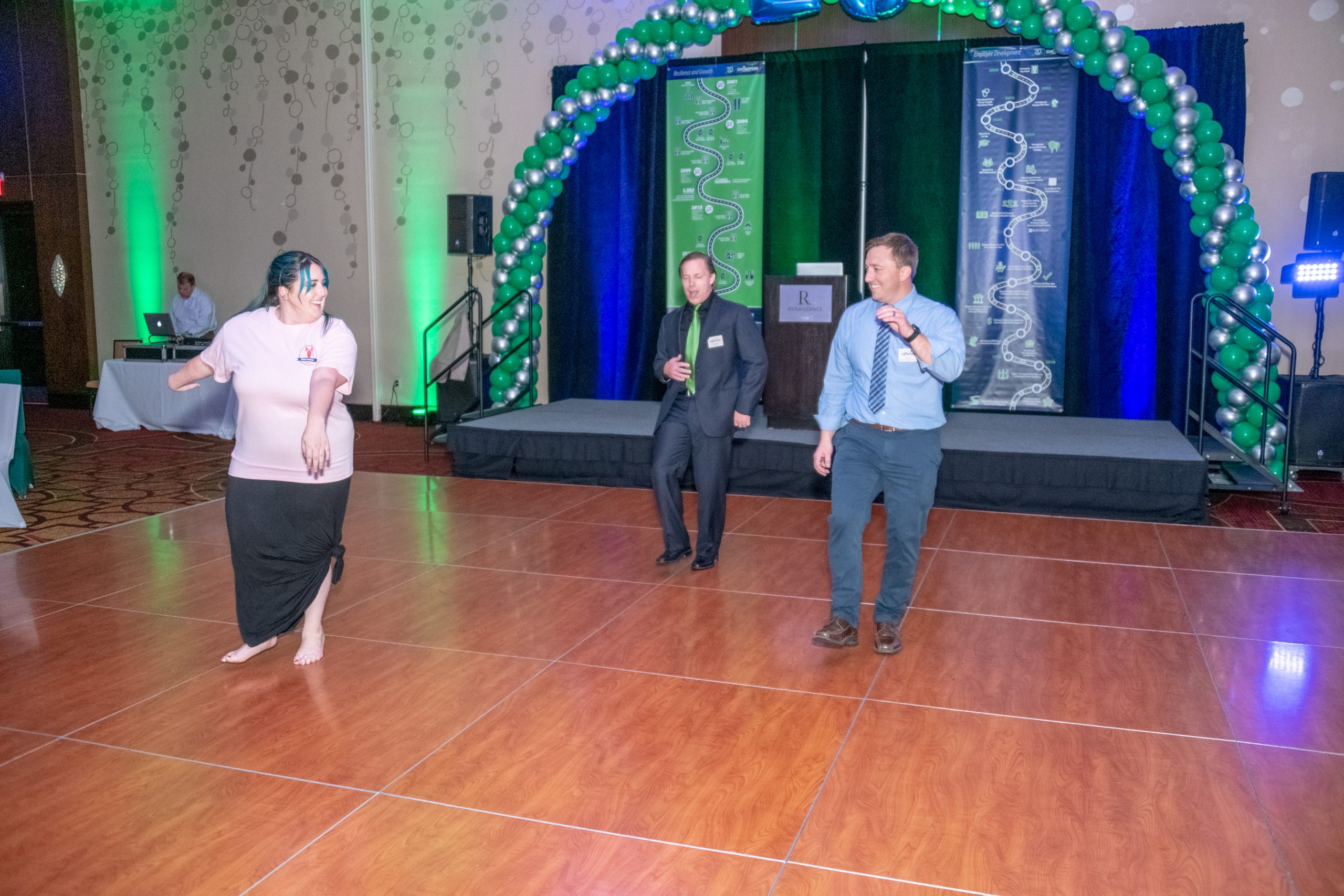
I think it was a great 20th Anniversary Celebration this past weekend. I want to thank everyone that was able to attend and I hope you all had as wonderful of a time as I did. It was a little bittersweet for me celebrating such an important milestone in my life and the life of the company, but having to do it without my biggest cheerleader by my side. Also, I always try to make time to sit and visit with every Champion that attends our annual parties, but as usual I’m certain that I missed a handful of you this time. I promise to try to visit with you next time.
As I mentioned that night, we’ve tried to recap the growth and progress of the company in a couple of newsletters so far, the December 2020 issue for 20 Years and the November 2015 issue for 15 Years. I believe both issues paint a really good picture of our progress as a company, so if you haven’t done so already, I encourage you to check them out for some history of the company. At a bare minimum, hopefully you’ll checkout our Resilience and Growth Timeline and our Employee Development Timeline.
For those of you who were unable to attend the celebration, I want to share this short video that I played that evening touching some of my thoughts on Champion’s success and expressing my gratitude to all Champions, both past and present. And like I mentioned that evening, please remember that we take professional headshot photos at every Christmas party, so if the last photo we have of you is from when you hired on, please come join us this December and have an updated one taken.
There’s much more praise that I could share about so many of you, but please know that I appreciate everyone of you deeply and thank you each for being a part of the Champion team.
On a separate note, as we prepare to return to the offices, I wanted to share my experience with the vaccination. I recently received my second COVID-19 vaccination shot and am officially now fully vaccinated. While I admit it felt like I got punched in the arm both times by somebody with Brad’s strength, the second time felt like it was with a much smaller fist. I’ve heard all kinds of different experiences from aches and pains, redness and fever, and general tiredness, and while I make no assumptions or predictions on how it may affect anyone, I will say that unless you have a true medical reason to avoid it or religious beliefs against vaccines, I encourage you to bear the pain and/or discomfort of getting the vaccine in order to move us forward into the future. Ending the COVID-19 pandemic will end the negative impact it has had on education, the economy, health care, and countless other activities of a functioning society. If you haven’t already done so, please consider doing your part.
It’s been over a year since we’ve all started working remotely in response to the COVID-19 pandemic. We’ve all had to adjust to ever-changing conditions while keeping some semblance of normalcy. As many states are loosening restrictions, Champion is making the transition back to the office by Monday May 17, 2021.
Whether you’re returning to the office for the first time since 2020 or are joining us for the first time after getting hired, we want you to be safe and successful in this transition.
Mentally Prepare
Transitioning from remote work to in-office work is a big change. While you might not get to put a load of laundry to wash between meetings or go for a mid-day run, this is your chance to improve some other aspects of work life, including volunteering for larger projects or contributing to Champion’s overall initiatives. Take some time to think about the benefits that being in the office can bring to you.
Talk to your co-workers who have been working from the office to see how they’ve adjusted.
Plan for how the shift will change home and work life
Think through how being back at the office will affect you. What changes do you have to make to your schedule to accommodate your commute? What changes do you have to make to your routine? How do you need to accommodate your budget to drive to work or have lunches out with colleagues? What plans do you have to make for your children or pets?
Focus on rebuilding comradery & getting to know your new co-workers
By being back in the office, you’ll have the chance to work with your colleagues directly on projects, have access to the equipment to speed up project work, and get to catch up with your co-workers. (Plus, reduce your need for VPN access!)
For new Champions, this is your chance to get to know co-workers who’ve been with us for a while and learn from them. Don’t be afraid to accept a lunch invitation or share your thoughts and goals for your career here. Everyone has their own insight, so learn as much as you can.
Ask for support and give feedback!
If you need support during the transition back to the office, reach out to your supervisor or Laurie Firmin. You can also use our Employee Assistance Program to talk to experienced professionals about any issues you may be facing.
Your continued feedback is crucial during these times. This will allow leadership to capture your input and address common challenges that may arise.
Please be sure to enter your future nominations throughout the year for the quarterly Excellence awards, and the annual Champion award, Collaborative Way award, and Team Excellence award at this link: Acknowledgement & Appreciation.
Winner of the “Champion” Award
This person fosters positive energy, creativity and teamwork across all departments / locations with a goal of furthering the company values, and supporting the company mission. This person demonstrates a passion for the business and its success.
Kevin Castille Engineering Supervisor | Lake Charles, LA
Kevin Castille: “The people here at Champion are the most talented and outright the best I have ever worked with. I am blessed to have the opportunity to learn and grow through collaboration with all of you. Each and every one of you I have worked with have contributed to my knowledge and professional development. I am truly honored to receive this award. It means a great deal to me to be selected by my peers. I humbly thank all of you. I also want to give a huge thanks to my wife Chantal for putting in so much hard work at home to make my commitment to Champion possible. I believe Champion has a bright future, and I am excited to work alongside all of you to continue to contribute to our success in the years to come. Congratulations to all of the award winners this year!”
Winner of the “Collaborative Way” Award
This person exemplifies the principles of the Collaborative Way, which include Listening Generously, Speaking Straight, Being For Each Other, Honoring Commitments, and Acknowledgement / Appreciation.
William Sulzer Automation Engineer III | Baton Rouge, LA
William Sulzer: “It’s truly an honor to receive this year’s Collaborative Way Award and it’s humbling to even be considered when I work alongside so many talented people. Effective collaboration isn’t a solitary or one-sided effort — it can only happen when you work with other people who are open to the process. Because of that, I feel like this award is shared with everyone I’ve worked with over the past year. From successful projects to internal initiatives, we created a lot of great things during an otherwise not so great year. Thanks to everyone who helps me be an effective collaborator, and I look forward to tackling the challenges that await us tomorrow, together!”
Most everyone has received their personalized Birkman plaques featuring their symbols and colors. Here’s a refresher on what those mean.
DISCOVER YOUR TRUE COLORS
Birkman’s Life Style Grid uses four color codes and four important symbols to reveal:
Your interests and the kinds of activities you usually prefer (your Asterisk)
Your usual style – how you behave in normal conditions, your most effective style (your Diamond)
Your needs – the support or motivation you need from others or from your environment to be effective (your Circle)
How you react under stress. How your usual style changes when your needs aren’t met (your Square)
PAY ATTENTION TO HOW CLOSE YOUR SYMBOLS ARE TO THE LINES DIVIDING THE COLOR QUADRANTS.
For example, when your Asterisk is close to the line, you may have interests from colors on either side of the line. When your Circle is close to the line, you may share needs with both colors, and so on. The closer your symbols are to the center of the Grid, the more likely you are to be influenced by the characteristics of the other quadrants.
VISUALIZE YOUR OVERALL BEHAVIOR
The Life Style Grid is a visual, graphic representation of your results, based on a model of how people behave in general. The Life Style Grid Report can help you:
Clarify your communication style:
Are you a Direct Communicator, represented by the top two quadrants of the Grid, or an Indirect Communicator, represented by the bottom two quadrants?
Reveal your focus:
Are you Task-Oriented, represented by the left two quadrants, or People-Oriented, represented by the right two quadrants?
Discover how your unique strengths move you toward a distinct personal style:
Are you a Planner (Blue quadrant), Communicator (Green quadrant), Expediter (Red quadrant), or Administrator (Yellow quadrant)?
You can also check out the Birkman Resources page to aid you in reading each other’s plaques and understanding all the personalities and strengths that make up Champion.
Austin Black – May 2021 Manufacturing Technician I Salt Lake City, UT
A born and bred mountaineer, Austin Black joins the Salt Lake team as the newest Manufacturing Technician.
Growing up in Longmont, Colorado, Austin has spent most of his life breathing in the Rockies. Whether cycling across the Canadian trails up north, climbing across vast mountain sprawls or careening down backcountry ski-driven trails, this technician feels most at home without a home.
But mountaineering equipment ain’t cheap, and everyone needs a day job, so when he’s not trekking across rocky terrain, Mr. Black fashions top-notched panels for all your automation needs.
Before traversing into the world of control systems and HMIs, Austin started out working for Black Diamond Equipment, putting his extensive repertoire of mountainous knowledge to work servicing ski equipment, and providing warranty oversight.
But like every wanderer it came time to move on, and thankfully both Champion and Mr. Black had an Engineer in common. In between bouts across the Rockies and the 9-5 grind, Austin rocked out with Avram Neal, your Friendly Neighborhood Automation Engineer.
After hearing Avram singing Champion’s praises, because who doesn’t, Austin was convinced that the world of controls was the place for him.
Champion is happy to tie this traveler down, Welcome to the Team, Austin!
Carl Jarvis – April 2021 Organization Manager Houston, TX
From a small town in Western New York, near Lake Ontario, Carl Jarvis joins Champion’s Houston office with a wealth of experience in sales and business development as our new Houston Organization Manager. Welcome, Carl!
Carl’s experience with Houston began when his small-town high school participated in an exchange program with the not-so-small Houston school, Cypress Creek High School. He was so struck by the affluence of the area that when he and his wife later moved to Houston, they chose an apartment in the same community, an area ironically where Champion’s Houston office is located today.
Before joining Champion, Carl spent his time focusing mostly on project delivery while working for a variety of firms, including Siemens, Maverick Technologies, and Hargrove Engineers + Constructors.
As an author of a book on U.S. constitutional history and a student of Python programming in his free time, one can only say that Carl has a knack for long-form hobbies with a side of lifelong learning and more than a pinch of problem solving. Aside from that, Carl can be found spending time with his wife and four kids when he has a free moment.
Carl chose a career as an automation professional because he enjoys the inherent partnership between the industry and our country’s manufacturing base. He specifically chose Champion because he was excited for the chance to lead a team of talented engineers doing just that—providing more efficient, safe, and reliable services in the city some call the unofficial capital of industrial automation.
Did you know you can relocate with Champion? Over the last several years some of our employees have relocated to other offices. They are listed below.
Brandon Anslum – Lake Charles to Lafayette
Collin Brown – Lake Charles to Denver
James Carlin – Baton Rouge to Salt Lake City
John Hargroder – Salt Lake City to Baton Rouge
Tristen Harris – Lake Charles to Beaumont
Daniel Kopcso – Lake Charles to New Orleans
Steve Surcouf, Jr. – Baton Rouge to Denver
Contribute Information, Suggestions, & Photos to The Champion Newsletter
Do you have any Upcoming Dates, including Conferences, Trade Shows or Office Events that you would like to tell us about? How about suggestions for Articles? Do you have Company Photos that you would like to see in the next newsletter? If so please email them to Mandi Legendre at mandi.legendre@champtechnology.com.
Q:What projects were particularly interesting, exciting, or challenging that you would like to reflect on? A: In 2014, Champion landed $1MM+ project with a new deep water oil production customer (Freeport MacMoran) to replace four redundant PLC-5 systems using Experion PKS for the HMI. The client’s execution and testing requirements were difficult with repect to timing, merging of systems, extensive on-shore testing, documentation, etc. The PM and execution team rose to the challenge and flawlessly and effortlessly pulled off ‘the impossible’. I am proud to have been a part of that effort. The network diagram below gives a glimpse of the complexity of the project: Q: What company / office sponsored event did you enjoy most and why? A:In 2006, the entire company was invited to watch Gary Hamer & Steve Bogan (former partner/owner) both run a triathlon in Destin, FL. The rumor was that we were all invited to ‘witness’ one whooping the other (could some egos been involved?). Regardless, Champion put us all up in a condos in a beautiful area and treated us like kings & queens for a weekend. What a wonderful memory. We may never know who actually whooped who in the race, however!
Q: What is your favorite Champion work-related memory? A: While this may not be work related, it is worth mentioning. Many at Champion know we unexpectedly lost our 15-year old son in the summer of 2016. The Champion family, from the owner down to my co-workers, embraced our family in so many ways; emotionally, financially, spiritually, visits, meals, gifts, etc. My wife and I have become better people because of the Champion family and all they have done for us. It would be tough to leave this place!
Q: When were you proudest to be a part of the Champion team? A:Most who know me, know I also enjoy being in front of the customer in a sales capacity. I had the good fortune of working with Brad Jordan in 2009, pursuing a $10MM multiple task award agreement with the Corps of Engineers. If won, this meant Champion would have access to some or all of the $10MM to be spent on Lock control system upgrades over the next few years. The selection effort was really a weed-out process where Champion and Koontz Electric (Arkansas) were the only two selected. Champion performed so well during the next few years, that we won 100% of the projects while Koontz wasn’t awarded any.
Q: In your opinion, what is the #1 improvement you’ve seen take place since you’ve started? A:Somehow, Champion has managed to accomplish what seems impossible to most other companies. Specifically, the engineers seem to work together without any noticeable silos, even between offices. Could this be the Collaborative Way at work? Having worked for a Fortune 500 company, I understand the silo concept and how it can stifle progress. Champion engineers seem to have immediate access to an expert on whatever system they are working on, regardless of what office they work out of. This is no accident, as it is actively encouraged and promoted within the company. Where else can you find this except at Champion?
15 Year Service Award
Tony Gagler
Automation Engineer III | Salt Lake City, UT
15 Years in April
Q:What is your favorite lunch routine? A: Since most of my time is spent sitting at my desk, my favorite lunchtime routine has become going to the gym. For me it is great stress relief and an opportunity to get out of the house and see people. Occasionally I will stop at Popeyes on the way back home and get a Cajun Fish sandwich.
Q: What projects were particularly interesting, exciting, or challenging that you would like to reflect on? A:In my first year at Champion, I was sent offshore to the BP Atlantis platform in the Gulf of Mexico. I had never been offshore, and the Siemens PLCs were new to me. The project was to support Chain Jack operations and it was stressful for first few weeks. As time progressed, I became more comfortable with the software and the equipment. Overall, it was a very interesting experience, and I am glad I was part of it.
Q: What is your favorite customer (company / individual) and why? A: Over the years QEP Energy has become my favorite customer. It was about 2008 when I first started doing SCADA and PLC work for them in Vernal, UT. Originally the job was supposed to take about a month but ended up extending to almost a decade. I have worked at hundreds of sites for them across Utah, North Dakota, and Texas developing SCADA and PLC controls. My favorite work was the SCADA jobs which involved creating graphics and writing custom code for reporting.
Q: Describe a memory from your first years at Champion. A:What I remember most from my first year at Champion was the Christmas party. It was a riverboat dinner cruise on the Mississippi. Champion was fairly small at the time (nothing like it is now). I had never heard of a company flying employees to a destination for a party. It was an enjoyable experience and my wife, and I got to explore New Orleans for the first time.
Q: What would you like to be working on here at Champion in the future? A:In the future I would like to be able to work on large SCADA projects from start to finish. I like working with PLCs also, but graphics and writing custom code are my favorite.
This is a comprehensive list of all the various health and safety issues you should be educated about and prepared for during summertime. You do not have to read and memorize the whole thing right now. We recommend bookmarking it for easy reference any time.
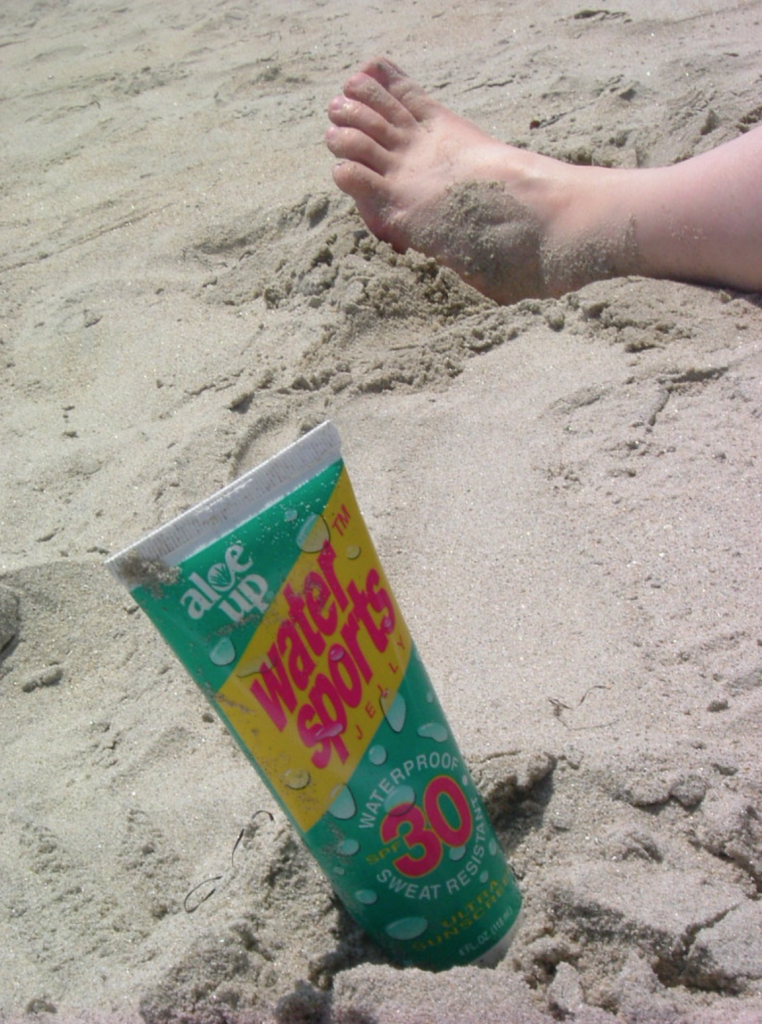
1. Know when, how much, and what kind of sunscreen to use.
Between 15 and 60 minutes of daily sunlight exposure is healthy (the time will vary according to your susceptibility to sunburn and the intensity of sunlight).
Sun exposure is vital for mental health, vitamin D production, and maintenance of bone density. However, beyond a few minutes you should cover up. We recommend using hats, sunglasses, and clothing to protect your skin, but if you’re going to be in a bikini or shorts, know which sunscreen to use!
Many sunscreens only block UVB rays (hello, wrinkles). It’s worth the extra expense to use Mexoryl, which prevents UVA rays (the ones that cause malignant melanoma). Until recently, Mexoryl (Terephythalylidene Dicamphor Sulfonic acid) wasn’t legal in the United States, though the sunblock has long been the go-to choice in Europe. You can now find it in many stores, but it’s also easy to get online, as well.
By the way, many sunscreen makers have come under fire recently for making illegitimate claims about their products that give people a false sense of security. For example, no sunscreen is really “waterproof” and the term “sunblock” is inaccurate.
Sunscreen tips:
– Use enough to fill a shot glass, use at least SPF 15, and reapply every 2 hours. If you apply your initial coat 30 minutes before hitting the beach, it’s O.K. to go as many as 4 hours without reapplying (if you have fair skin, however, you may need to stick to the 2-hour rule).
– Toss out your sunscreen at the end of each summer – effectiveness and quality become compromised after a year in the medicine cabinet.
2. Know CPR and other important first aid procedures.
From bee stings to broken legs to bug bites to choking, here is a comprehensive A-Z guide with simple, practical advice on quickly addressing every possible first aid emergency summer may send your way. The most important tip to prevent common summer ailments: stay hydrated!
A few gems:
Sprains:
Elevate and ice (but not for longer than 20 minutes on a child). Get to a doctor to ensure there hasn’t been a fracture.
CPR:
In a panicked moment when a loved one appears to have stopped breathing, it is tempting to start right in on the CPR. Always check for breathing before starting in on CPR!
Reach out to the Safety Department to re-new your CPR/FA/AED certification.
Heat Exhaustion vs. Heatstroke:
It’s important to know the difference, especially with children! Keep an eye on your seedlings’ skin and lip tones. If you notice the slightest paling or pallor, take action. Children are particularly vulnerable to sun sickness because they’ll often avoid water and they won’t always tell you if they’re getting hot (that might mean no more playtime).
Heat exhaustion is simple to treat: get some cool beverages into the body and find shade or a cool spot. Heatstroke is much more serious and requires medical attention. Warning signs of heatstroke are delirium, fatigue, irritability, and confusion – and a fever.
Stings:
Use the edge of a credit card to scrape the stinger out of the skin. Don’t pull or pinch the stinger with tweezers or your fingers, because this can squeeze more venom into the skin. If you don’t have sting ointment on hand, a paste of water and baking soda, a smear of mustard from the picnic, or even an ice cube are all helpful in alleviating pain and swelling.
Nosebleeds:
Do not tilt the head back! Pinch the nose gently and lean forward slightly. The reason most nosebleeds do not stop easily is because we grow impatient with pinching! Give it a minimum of five minutes before you even think about checking! Better yet, go for 10.
Ticks:
Try gently prying the offending tick loose with tweezers. If the tick is stubborn, don’t force it – this could leave the head inside the skin! Swab the entire tick in Vaseline or lotion – the bug will come out within a few minutes. Hard core scouts will hold a lit match to its rump – just watch how fast the little sucker moves! But we don’t recommend the hard core approach. Wash the area or disinfect it with antibacterial gel and keep an eye on it for a few days to make sure no serious infection develops.
3. Know what to do if you get lost in the woods… and what to do if you meet a bear.
9 important rules for wilderness survival:
1. Stick together (companionship and body heat are both essential).
2. Do not wander. You’re more likely to be found if you stay put.
3. Don’t toss jackets or sweaters because you’re getting warm. Hang on to them and find leaves to insulate your body and head at night.
4. Find a safe, cozy place – but not a hidden place! How will anyone find you?
5. Now is the time to be attention-starved. Make an SOS signal, break branches in a wide path, and make use of bright or reflective objects in your possession.
6. If a plane flies overhead, lie down and start making “snow angel” motions to have a better chance of gaining the pilot’s attention. If you hear noises, call loudly to them, but don’t run to them!
7. If it’s cold, make yourself a “survival bed” for warmth, or find some good, sturdy branches to nestle in. You don’t want to lose body heat by lying on the ground.
8. Don’t eat anything unless you know for a fact that the berry, root, or seed in question is safe.
9. Don’t drink from any body of water unless you absolutely have to. Go for running streams over still water.
And if you have the misfortune of meeting a bear:
– Hopefully you’ve invested in bear spray. Most of the time, bears will steer clear of you if they have proper warning, so be human – make some noise. Chat, sing, and speak up if you’re hiking and camping in bear country.
– Now, if you’re on a trail and you catch a bear, but the bear hasn’t seen you, by all means don’t startle the thing now! Go back or take a wide detour, preferably downwind. Yield to the bear’s territory.
– If the bear has seen you, but you’ve got a good bit of space, chat calmly and swing your arms so that you can help the bear to know you are a boring old human (they have bad vision, so arm movement helps them figure out what you are). Most of the time, if a bear perceives that you are human and you are not acting in a threatening manner (following its cubs, making aggressive sounds, running), the bear will scoot.
– If the bear sees you and you don’t have much space, do. not. run. ever. Bears – black, grizzly, uphill, downhill – can and will outrun you 100% of the time. Back away calmly, speaking in relaxed tones, and don’t make eye contact. You want to show the bear that you are no threat. Bears think humans are dull, so reinforce this by letting the bear know you are human and remaining calm.
– Don’t bother climbing a tree unless you have the time (and ability) to get at least 30 feet off the ground. Most bears won’t bother with climbing that high, but note: contrary to popular myth, all bears can climb very well.
– If a bear charges you, do. not. run. ever. Bears are big-time bluffers. They’ll often charge to establish dominance and then quickly back off. Continue backing away as calmly as possible.
– If you are attacked: use your spray! Definitely attempt to fight black bears (but note that they are sometimes cinnamon-colored). They are easily scared off if you put up a fight. Grizzlies are not, so you’re far better off playing dead with a grizzly. Grizzlies attack because they are ferociously territorial and accordingly very defensive. Black bear attacks are much more rare, and typically happen because of camp food/garbage addiction (a growing problem) and your genius interference with their cubs.
4. Know – and make sure your children know – the rules of water safety.
We all know not to run around the corners of the pool. But make sure you’re familiar with all the smart safety tips. Learn what to do if you’re caught in a riptide (swim parallel to the shore), and make sure your children know proper boating safety (biggest no-no: not being prepared for boat movement!).
5. Know how to properly build, manage, and extinguish a campfire.
Campfire safety is by far one of the most important safety tips for summer. We fear bears and mountain lions, but we’re far more adept at doing ourselves in.
– Build your fire in a clear space free of grasses, weeds and dried materials.
– Keep it small.
– Never leave it unsupervised – a “quick dip” in the nearby stream still leaves plenty of time for a fire to get out of control.
– Keep the seedlings away from the fire, of course.
– Wait for the match to go cold before discarding it!
– Circle your fire with a metal or rock ring.
– Bring a small shovel along on your camping trip. When you put out the fire, put that shovel to work and cover the embers with a few scoops of sand or dirt.
6. Know how to identify poisonous insects and reptiles, and what to do if you’re bitten.
The general rule is not to panic – few people die from snake bites in the United States and almost no one dies from spider bites. If you are stung or bitten, get to a doctor within two hours and your chances are more than excellent. For poisonous spider bites (brown recluse and black widow) apply a cool compress and get to the doctor. For reptile bites and ticks, simply cleanse the area – you’re likely going to be fine (but visit the doctor as soon as you can – just in case). For rattlesnake bites, do not, for the love of lettuce, attempt to be Crocodile Dundee and squeeze out the venom! Do not cut, lacerate, squish, ice, squeeze, constrict or otherwise do anything to the bite! The best thing is to stay as still as possible so the venom (if any was released) does not circulate through the bloodstream more rapidly.
7. Know how to identify poisonous plants, and what to do if you’re exposed.
Poison ivy, sumac and oak: know them and avoid them. Here are natural ways to treat them. Quick tip: if you realize you’ve gotten yourself enmeshed in poisonous plants, rinse yourself off with water as soon as you possibly can. Often, the worst of the rash can be prevented by simply rinsing (don’t scrub!) because the plant oils won’t have had time to absorb into the skin.
Poison Sumac
Poison Ivy (look for leaves of three!)
Poison Oak (often turns reddish or brown by summer!)
Extra tip: if you have the misfortune of stumbling into stinging nettles, look for ferns growing nearby. These two species of plants typically grow together. How’s that for handy niche evolution? Simply rub ferns vigorously into the skin. The stinging won’t completely clear up, but at least you won’t want to gnaw your own hand off!
Mother’s Day is a time to celebrate mothers, grandmothers, stepmothers etc. Many people celebrate with flowers, gifts, candy, cards or a nice meal to show appreciation for everything they do.
May 22
Saturday
Baton Rouge Office Crawfish Boil
A fun afternoon of good food and great company. Come take the chance to do some more socializing with your fellow co-workers and their families.
May 31
Monday
Memorial Day
Memorial Day, originally called Decoration Day, is a day of remembrance for those who have died in the military service for the United States.
June 20
Sunday
Father’s Day
Father’s Day is a time to celebrate our fathers and father figures, including stepfathers, grandfathers, etc. This Father’s Day treat your Father to a day of celebration that he will always remember.
July 4
Sunday
Independence Day
The Fourth of July is a national holiday celebrating the anniversary of the adoption of the Declaration of Independence in 1776. The day is celebrated with barbecues, picnics, concerts, carnivals, parades, fireworks, family reunions, and so much more!


 William Sulzer: “It’s truly an honor to receive this year’s Collaborative Way Award and it’s humbling to even be considered when I work alongside so many talented people. Effective collaboration isn’t a solitary or one-sided effort — it can only happen when you work with other people who are open to the process. Because of that, I feel like this award is shared with everyone I’ve worked with over the past year. From successful projects to internal initiatives, we created a lot of great things during an otherwise not so great year. Thanks to everyone who helps me be an effective collaborator, and I look forward to tackling the challenges that await us tomorrow, together!”












 15 Year Service Award